What makes a great dim sum restaurant in Bali?
Searching for the best dim sum in Bali can lead to very different dining experiences: hotel brunches, traditional Chinese restaurants, casual dumpling shops and delivery-first kitchens. A useful choice depends on more than a long menu. The wrappers should stay delicate, steamed dishes should arrive hot, fried dishes should remain crisp, and the fillings should have enough texture to taste fresh rather than processed.
Variety matters too. A proper dim sum table should move between shrimp dumplings, buns, rice rolls, fried bites, noodles, soup and tea. Wei Fu Dimsum Bar serves more than 60 choices across those categories, with prices shown clearly on the full menu. This makes it easy to build either a quick breakfast or a large sharing meal without guessing the final bill.
Wei Fu's approach: No Pork, No Lard, No Angciu
Traditional Cantonese dim sum often uses pork, lard or cooking wine. Wei Fu takes a different route: the restaurant states that every dish is No Pork, No Lard and No Angciu. Chicken and beef come from trusted suppliers, giving guests who avoid pork a much broader menu than they usually find at a conventional dim sum restaurant.
This statement should not be confused with a halal certification. Guests with specific religious, allergy or certification requirements should always confirm directly with the restaurant before ordering. What Wei Fu can state clearly is what is not used in its recipes: pork, pork fat and angciu. For more detail, read our guide to pork-free (No Pork, No Lard) dim sum in Bali.
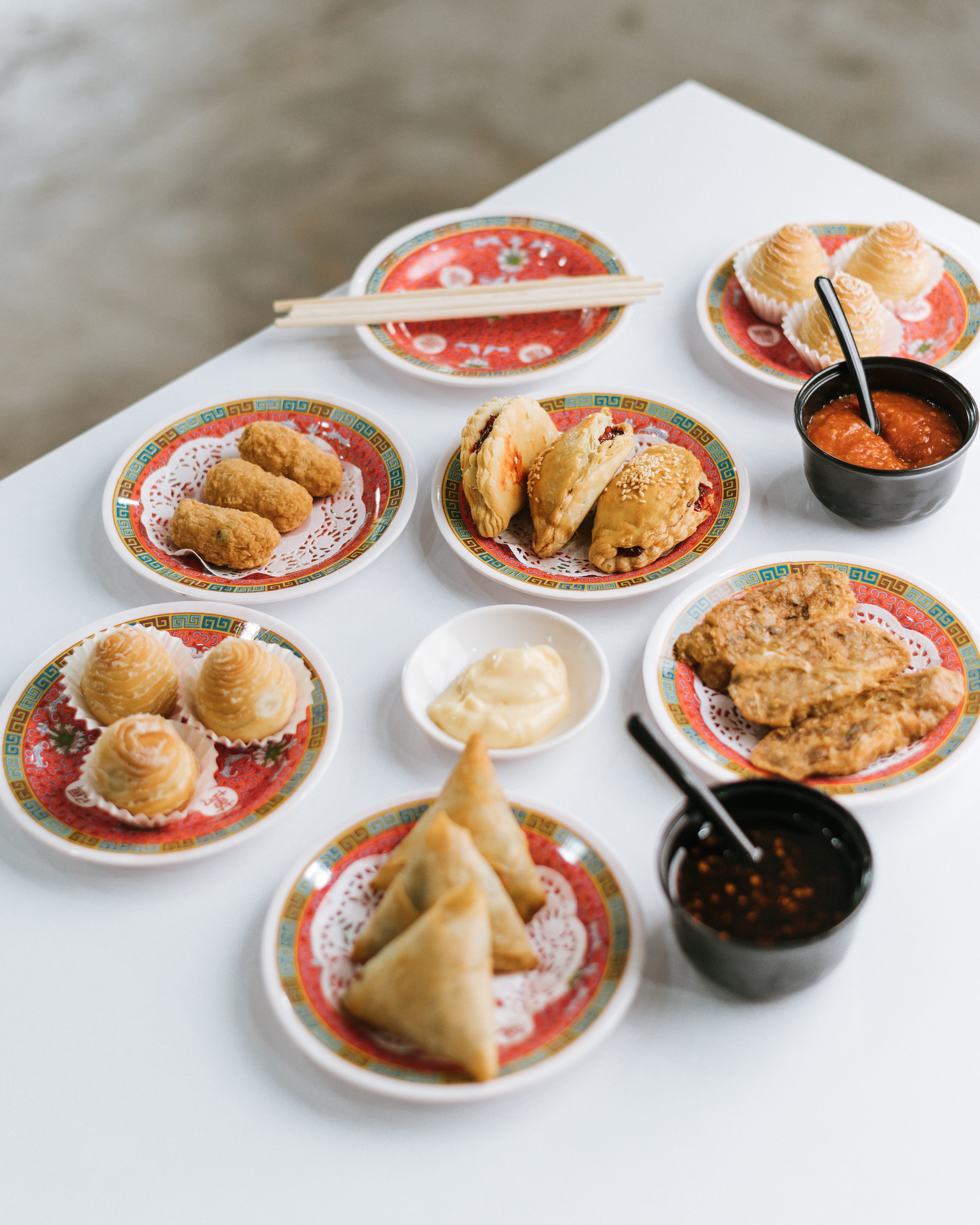
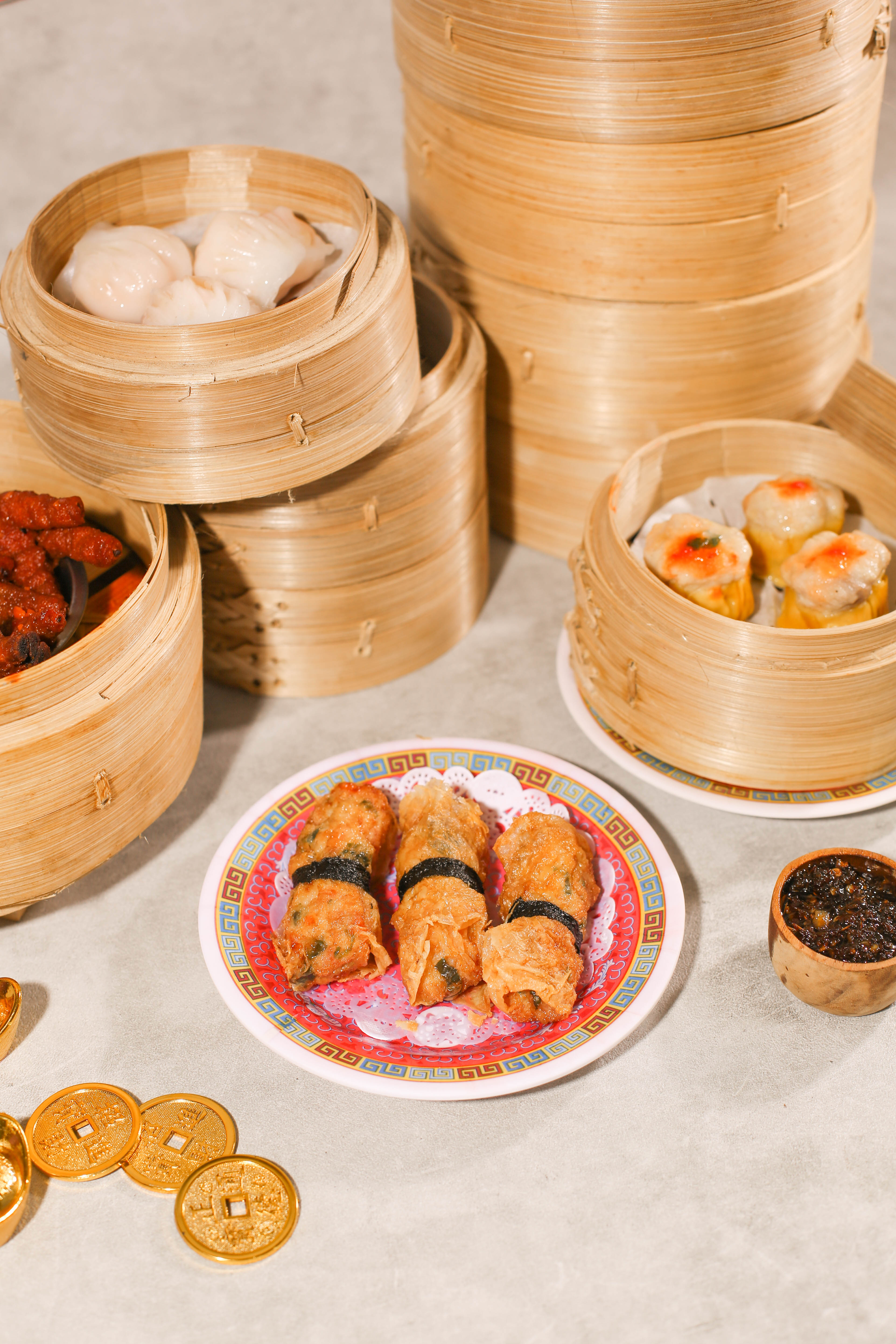
Ten dim sum dishes worth ordering
First-time visitors do not need to work through the whole menu. These ten choices give a balanced introduction to steamed, fried and comforting dishes. Listed prices are current website prices before the 5% service charge and 10% tax; availability and branch pricing may change.
Steam Hakau
Translucent wrappers with a firm shrimp filling. A simple test of wrapper texture and steaming technique.
Rp24,000Siao Mai Ayam
A familiar open-topped dumpling made with chicken, easy to share and a good starting point for children.
Rp23,000Steam Xiao Long Bao
Soft dumplings designed to hold savoury broth. Eat carefully while warm for the best texture.
Rp25,000Cheung Fen
Silky rice rolls with different fillings and a light savoury-sweet sauce. One of dim sum's essential textures.
See current menuCrystal Dumpling
A delicate, translucent dumpling with a springy wrapper that contrasts well with fried dishes.
Rp25,000Lo Mai Gai
Seasoned sticky rice wrapped and steamed for a deeper, more filling course in the middle of the meal.
Rp25,000Bakpao Telur Asin
A soft steamed bun with a rich salted-egg filling, balancing sweetness and savoury flavour.
Rp26,000Kuotie
A dumpling with a more substantial bite, ideal when you want something between steamed and crispy dishes.
From Rp24,000Bakmi Yamin
Sweet-savoury noodles that turn a table of small plates into a complete meal.
See current menuMatcha Lava Xiao Long Bao
A seasonal dessert-style xiao long bao with a flowing matcha centre, available for a limited time. See our Xiao Long Bao guide.
SeasonalHow much does dim sum cost in Bali?
At Wei Fu, dim sum starts from Rp18,000, while many steamed dishes sit around Rp20,000 to Rp27,000 per portion. A pair can sample several baskets without moving into hotel-brunch pricing. For a broader meal with noodles, fried dishes and drinks, the total naturally rises according to how many plates the table shares.
The website displays current item prices rather than hiding them behind a reservation form. Check the Wei Fu menu and price list before travelling, especially when planning a group meal. All listed prices exclude 5% service charge and 10% tax, and prices may differ by branch.
Breakfast, dinner or late-night dim sum?
Dim sum is traditionally associated with morning tea, but Bali does not run on one dining schedule. Travellers may want breakfast before a day trip, families may prefer an early dinner, and hospitality workers often eat after conventional kitchens close. Wei Fu's opening hours, from 8:00 AM until late at night, make the same menu available across those different routines. If you specifically need a late meal, see our guide to late-night dim sum in Bali.
For the quietest experience, arrive outside the weekend lunch and dinner peaks. For the best variety with a group, order a few steamed baskets first, add fried dishes after they arrive, and finish with noodles, soup or a sweet bun. Ordering in stages keeps each dish closer to its ideal temperature.
How to build a balanced dim sum order
For two people, start with three or four contrasting dishes instead of ordering several similar dumplings. A useful combination is one shrimp-based basket such as hakau, one chicken dish such as siao mai, one rice-roll or sticky-rice dish, and one fried item. Add noodles or soup only after the first plates arrive. This gives the table a mix of delicate, chewy, crisp and comforting textures without ordering more than you can enjoy while everything is hot.
Groups of four or more can explore much more of the 60+ item menu. Share one portion from several categories, keep strong or sweet flavours until later, and ask the team about seasonal dishes before ordering. Tea or a light drink helps reset the palate between fried and steamed courses. If anyone at the table has an allergy or a strict dietary requirement, tell the staff before choosing dishes rather than relying only on a menu description.
Dim sum, dumplings and the styles you will find in Bali
Dim sum is not a single dish but a whole style of eating: many small portions, shared across the table, traditionally paired with tea. Dumplings are only one part of it. A complete dim sum experience moves through several families of dishes, and knowing them makes ordering far easier for first-time visitors to Bali.
The main categories are steamed dumplings such as hakau and siao mai; soup dumplings like xiao long bao; steamed rice rolls (cheung fen); steamed buns (bakpao); fried and pan-fried bites such as kuotie and spring rolls; sticky-rice dishes like lo mai gai; and finishing plates of noodles, congee or soup. A good order borrows from three or four of these families rather than repeating one. Wei Fu's 60+ item menu covers every category, which is why it works both for a light breakfast and a full sharing dinner.
Is there halal or pork-free dim sum in Bali?
This is one of the most common questions travellers ask about dim sum in Bali, because classic Cantonese recipes lean heavily on pork and lard. Wei Fu was built around a clear answer: every dish is No Pork, No Lard and No Angciu, with chicken and beef from trusted suppliers. That makes the full menu accessible to guests who simply do not eat pork.
To be transparent, this is not the same as a halal certification, and Wei Fu does not claim to be certified halal. Guests who require formal certification, or who have strict religious or allergy needs, should confirm details directly with the restaurant before ordering. What the kitchen can state plainly is what its recipes never contain: pork, pork fat and cooking wine.
Vegetarian and lighter dim sum options
Dim sum is often assumed to be meat-heavy, but a shared table can easily include lighter and vegetable-forward choices. Look for vegetable dumplings, plain or vegetable rice rolls, tofu-based dishes, congee and steamed buns, and balance the meal with tea rather than heavy sauces. If you are dining as a mixed group, order a few vegetable and seafood dishes alongside the chicken and beef plates so everyone has something to enjoy.
Because availability changes, the most reliable approach is to tell the staff what you are avoiding and ask for their current recommendations. This works better than relying on a menu description alone, especially for allergies. You can preview categories and prices first on the full Wei Fu menu.
Which Wei Fu branch should you visit?
The best branch is usually the closest one, because steamed dim sum is at its best immediately after leaving the kitchen. Wei Fu has restaurants in Kuta, North Denpasar and Tabanan, each with its own Maps and delivery links below.